
Chimney Seismic Retrofit in Yorba Linda
Ask About This Job
A line on what the fireplace or chimney is doing is enough. We ring back to arrange a visit.
What This Visit Covers
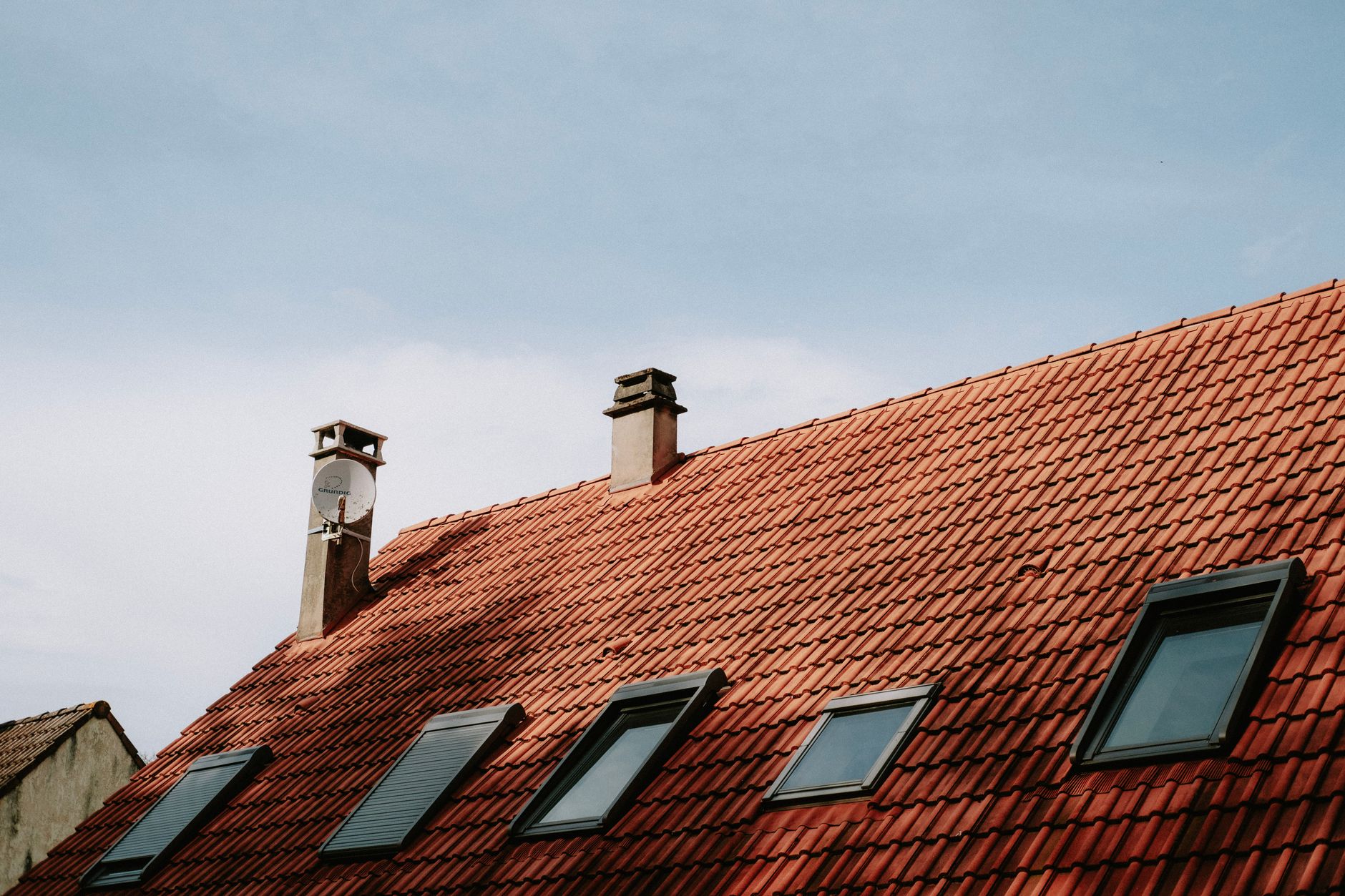
Many older brick chimneys were built with no real tie to the house, and the 1994 quake showed how often they crack at the roofline. A retrofit begins with a close look at the mortar and brick, since the right fix depends on what is holding together now. Choices run from steel braces tied into the rafters, to bands anchoring the stack where it meets each floor and ceiling, to swapping the upper brick for a lighter metal flue. Each option is priced on paper.
What Shaking Does to a Brick Chimney
When the ground moves, a wood-framed house flexes and recovers. Brick cannot do that. The places where brick meets framing, at the floors, the ceiling and the roof, take a pounding as the two pull against each other. Above the roof the stack stands alone like a post with nothing holding its top, and the mortar joints just above the roofline are where it usually breaks. Southern California's quakes in 1987 and 1994 left fallen chimney tops across many neighborhoods, and the smaller shakes since have kept working at the stacks that were already loose. Not all of the damage is visible. A chimney can look straight from the street while the clay tiles inside have cracked or shifted at their joints. Those gaps let smoke and carbon monoxide leak into the brick and sometimes into the house, which is why a fireplace that begins to smoke or smell after a quake should be checked before the next fire.
After a shake, look for a crack running across the chimney near the roof, bricks or mortar on the roof or the ground, a gap opening between the chimney and the house, or a fireplace that suddenly draws differently. Indoors, a new crack in the firebox or around the face of the fireplace belongs on that list too. If you see any of these, stop using the fireplace and book a look. A Level 2 inspection, $375, puts a camera through the flue and checks the chimney where it passes through the attic, and it is the level the fire standard points to after an event like a quake. Gas fireplaces that vent through an old brick chimney count as well, because their exhaust uses the same cracked flue. We then write up what we found and whether the stack can be secured as it is, or needs work first.
Bracing, Ties and Lowering the Stack
The ways to make a brick chimney safer fall into a few groups. One family holds the chimney to the house: steel ties anchored into the framing where the brick and the structure meet, so the two move as one instead of hammering at each other. Another supports the part above the roof with a steel member fixed high on the stack and run down to the roof structure, which keeps the top from rocking free. A third removes the risk rather than holding it: the brick above the roof is taken off, and either a lighter metal flue inside a framed and finished housing takes its place, or the stack is rebuilt with steel worked into the new masonry. Which fits depends on how sound the brick is, how tall the stack stands and how the house is framed. Bracing a stack whose mortar has already failed only ties a loose load to the roof, so condition comes first.
Lowering a chimney or replacing it with a metal flue changes how the fireplace draws, because draft depends on height. So our proposal covers the fire as well as the brick: how tall the new outlet will be, what flue it will have, and how the fireplace or gas unit will vent afterwards. The written proposal names the option we recommend and the others we considered, the steel and fixings involved, any roof work and flashing, haul-away of removed brick, and the flue, top and cap that finish the job. We describe these options in general terms here because every chimney differs, and we do not promise any outcome from a permit office or a program. What we do promise is a clear picture of what the stack is, what each option does and what each costs, so you can decide with the facts on paper.
The Upton Chimney Solutions Routine
Draft Watched
Smoke pencil or test fire at the opening
Fumes Measured
CO meter running on gas units
Prices on Paper
Each fix priced before anyone starts
Cause Shown
You see the fault we found, in person or in photos
Where we offer chimney seismic retrofit
Pick your city for notes on its housing, its weather and the draft faults we meet there most.
That city is not listed. Search a neighbor.
Other Jobs We Handle
Chimney Sweep
Creosote narrows a flue until smoke backs into the room; brushing clears that path and a test fire proves it.
DetailsChimney Inspection
Reasons a chimney smokes, smells or stalls, looked for from the opening up to the cap and set out in writing.
DetailsChimney Repair
Broken tile, open joints, a split crown or a loose top: the faults that spoil draft or let rain in, put right.
DetailsFireplace Inspection
Soot on the face, a fire that will not settle, a draft from the hearth: the room side of the fireplace checked for causes.
DetailsFireplace Repair
Fixes for fireplaces that smoke at the face, smell between fires or refuse to hold a flame, starting with the reason.
DetailsChimney Level 2 Inspection
Recorded video of the whole flue plus the attic and underfloor stretches, for sales, quakes, fires and new appliances.
DetailsChimney Cap Installation
Stainless or copper tops that stop rain, birds and gusts pushing down the flue, fixed firm against Santa Ana wind.
DetailsChimney Flashing Repair
New roof-line metal for chimneys that drip into the attic or stain the ceiling beside the fireplace after rain.
DetailsChimney Masonry Repair
Repointing, brick replacement and crack repair that keep water out of the stack and the flue walls standing true.
DetailsChimney Rebuilds
A new stack from the point where the brick holds firm, with a flue sized to the fireplace it serves.
DetailsFireplace Cleaning
Room-side cleaning of the firebox, doors and face, with a record of the soot marks that show where smoke escapes.
DetailsGas Fireplace Cleaning
Yearly cleaning for gas fireplaces and inserts so the flame burns blue, the glass stays clear and fumes go outside.
DetailsGas Fireplace Repair
Fixes for gas units that refuse to light, drop out after a minute, smell of fumes or blacken the glass.
DetailsFireplace Remodel
New faces, hearths and mantels that keep safe distances from the opening and leave the draw working as it should.
DetailsFireplace Inserts
A steel firebox behind glass with its own liner, a common answer for open fireplaces that smoke or chill the room.
DetailsPellet Stove Repair
Diagnosis for pellet stoves that smoke, smell, shut off or stop feeding, with each part tested before anything is bought.
DetailsWood Stove Repair
Repairs for wood stoves that leak smoke at the door, burn too fast or stop drawing once the fire settles.
DetailsGas Logs
Ceramic logs on a gas burner for a fireplace you no longer want to feed, set up so the fumes go where they should.
DetailsChimney Crown Repair
Crack sealing or a newly poured top for chimneys whose cement cap lets rain soak down into the brick and flue.
DetailsDryer Vent Cleaning
Lint cleared from the full duct run, wall hood to machine, for dryers that run hot or need two cycles to finish.
DetailsChimney Liner Installation
New stainless flue run inside the old chimney, for cracked tile or a flue too big or too small to draw.
DetailsChimney Leak Repair
Leak tracing for chimneys that drip, stain the ceiling or smell musty after rain, with the fix aimed at the source.
DetailsChimney Waterproofing
A siloxane repellent on repaired brick so the stack sheds rain and stops feeding damp smells into the house.
DetailsChimney Damper Repair
Dampers that stick, rattle, leak cold air or open only partway, freed and adjusted or replaced at the flue top.
DetailsChimney Chase Cover
A stainless top made to measure for framed chimneys whose old sheet top has rusted, sagged or started to leak.
Details