
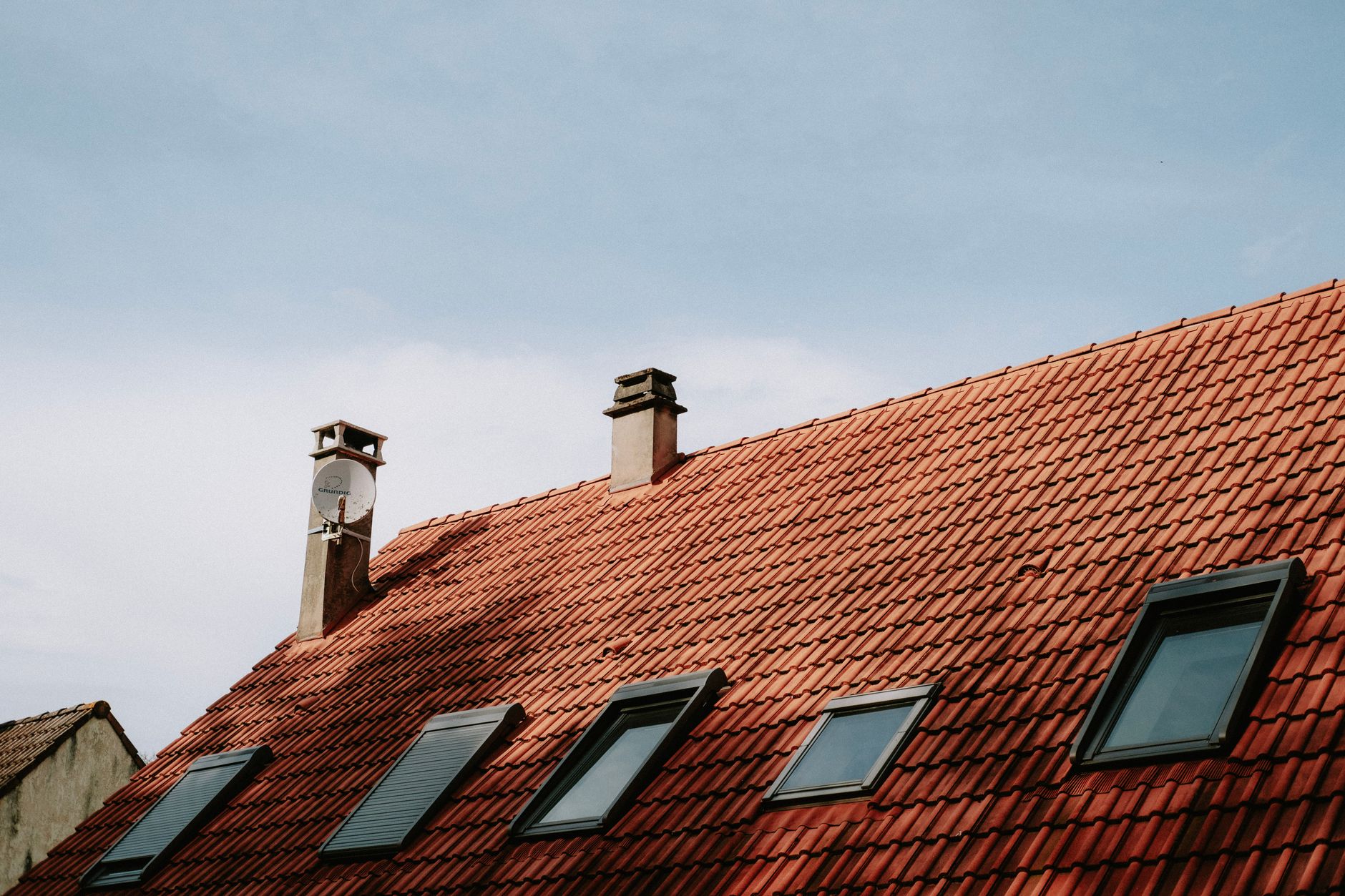
Chimney Masonry Repair in Yorba Linda
Ask About This Job
A line on what the fireplace or chimney is doing is enough. We ring back to arrange a visit.
What This Visit Covers
Wet brick does more than look tired. Water held in the masonry feeds a damp, sooty smell indoors and loosens the joints that keep the flue tiles in line. We grind out mortar that has failed, lay new brick where faces have popped, and choose a mortar soft enough to suit the brick around it. Cracks from ground movement are followed to see whether they reach the flue. You see the written price before anything starts.
How Brick Damage Reaches the Fireplace
Our winters are mild, but the storms that do arrive often come in sideways on the wind, and the part of a chimney above the roof has no eave to shelter it. Mortar joints wear back a little every year. Once they open, rain gets into the core of the stack and stays there for days. That water does three things you notice indoors. It cools the flue, so fires take longer to start drawing. It carries salts out through the brick, which shows up as white powder on the face of the fireplace or inside the firebox. And it mixes with soot to make the damp, sour smell that comes up on humid evenings. Gaps that open through to the flue also let smoke seep into the brickwork, and in older chimneys without a sound liner some of it can reach the attic. The outside of the chimney is part of how the fireplace breathes.
When joints have gone soft, the old mortar is cut back to firm material with a grinder and hand tools, then new mortar is pressed in, in layers, and tooled to shed water. The mix matters more than most people realize. Mortar that sets harder than the brick around it sends all the stress of heat, settling and shaking into the brick, so the brick cracks instead of the joint. Older chimneys get a softer, lime-rich mix for that reason, while newer brick can take a standard mix. We look at the brick, the age of the house and what is already in the joints before choosing. Matching the color is a separate step, and we test it on a hidden spot first so the repair does not leave a patchwork you notice from the street every time you pull into the driveway.
Broken Brick, Loose Tops and When Repair Turns Into Rebuild
Some bricks fail from the face inward. Water trapped behind the surface, salts crystallizing as the brick dries, or a hard mortar pressing on the edges pops off the outer layer, and the brick behind it starts to crumble. Those units are cut out one at a time and replaced. We look for bricks that blend in: reclaimed brick from the same era where we can source it, and the closest modern match where we cannot. Loose courses at the very top of a stack are a separate concern. They are usually the result of years of weather and a few good shakes, and they are the bricks most likely to fall. We lift them, clean them and lay them back on fresh mortar, along with a sound top so water stops getting into the same spot. Every one of these items appears on the written list with a price of its own.
There comes a point where patching stops being sensible. If the brick moves when you press on it well below the top, if the stack has a visible lean, or if the mortar can be scraped out with a key across large areas, fixing joints one by one costs nearly as much as relaying the brick and leaves you with a weaker result. In that case we will recommend a partial rebuild and explain how far down we expect sound brick to start. We make that call on what we see, not on the size of the job, and we will tell you when a simple repair will carry the chimney for years yet. Masonry work has no set price because no two stacks share the same damage. You get a written figure for each item after the visit, so the choice between repairing and rebuilding is made with real numbers.
The Upton Chimney Solutions Routine
Draft Watched
Smoke pencil or test fire at the opening
Fumes Measured
CO meter running on gas units
Prices on Paper
Each fix priced before anyone starts
Cause Shown
You see the fault we found, in person or in photos
Where we offer chimney masonry repair
Pick your city for notes on its housing, its weather and the draft faults we meet there most.
CA
Chimney Masonry Repair in Yorba Linda
"It smells like a campfire in the den on warm days." In our home town that usually means a factory-built flue pulling in reverse, or a custom masonry hearth whose flue is too small for its opening. A draft reading at the damper sorts out which.
Open the city pageCA
Chimney Masonry Repair in Placentia
"Smoke rolls out over the top of the opening when I first light it." With the brick and block fireboxes of Placentia's ranch years, a cold flue column or a damper that only swings halfway is the usual suspect, and our draft check tests both.
Open the city pageCA
Chimney Masonry Repair in Fullerton
A 1920s bungalow that smokes the living room and an Amerige Heights gas unit that smells wrong are two separate puzzles. Old brick flues are often unlined or oversized for the opening; the newer boxes rely on sealed vent joints. We diagnose each on its own terms.
Open the city pageCA
Chimney Masonry Repair in Corona
Just 25% of Corona homes predate 1980, so a lot of fireplaces are factory-built boxes on metal pipe. When one puffs smoke back or gives off a burnt-metal odor, a bad cap, a crushed section or a flue too short to pull is where we start looking.
Open the city pageOther Jobs We Handle
Chimney Sweep
Creosote narrows a flue until smoke backs into the room; brushing clears that path and a test fire proves it.
DetailsChimney Inspection
Reasons a chimney smokes, smells or stalls, looked for from the opening up to the cap and set out in writing.
DetailsChimney Repair
Broken tile, open joints, a split crown or a loose top: the faults that spoil draft or let rain in, put right.
DetailsFireplace Inspection
Soot on the face, a fire that will not settle, a draft from the hearth: the room side of the fireplace checked for causes.
DetailsFireplace Repair
Fixes for fireplaces that smoke at the face, smell between fires or refuse to hold a flame, starting with the reason.
DetailsChimney Level 2 Inspection
Recorded video of the whole flue plus the attic and underfloor stretches, for sales, quakes, fires and new appliances.
DetailsChimney Cap Installation
Stainless or copper tops that stop rain, birds and gusts pushing down the flue, fixed firm against Santa Ana wind.
DetailsChimney Flashing Repair
New roof-line metal for chimneys that drip into the attic or stain the ceiling beside the fireplace after rain.
DetailsChimney Rebuilds
A new stack from the point where the brick holds firm, with a flue sized to the fireplace it serves.
DetailsFireplace Cleaning
Room-side cleaning of the firebox, doors and face, with a record of the soot marks that show where smoke escapes.
DetailsGas Fireplace Cleaning
Yearly cleaning for gas fireplaces and inserts so the flame burns blue, the glass stays clear and fumes go outside.
DetailsGas Fireplace Repair
Fixes for gas units that refuse to light, drop out after a minute, smell of fumes or blacken the glass.
DetailsFireplace Remodel
New faces, hearths and mantels that keep safe distances from the opening and leave the draw working as it should.
DetailsFireplace Inserts
A steel firebox behind glass with its own liner, a common answer for open fireplaces that smoke or chill the room.
DetailsPellet Stove Repair
Diagnosis for pellet stoves that smoke, smell, shut off or stop feeding, with each part tested before anything is bought.
DetailsWood Stove Repair
Repairs for wood stoves that leak smoke at the door, burn too fast or stop drawing once the fire settles.
DetailsGas Logs
Ceramic logs on a gas burner for a fireplace you no longer want to feed, set up so the fumes go where they should.
DetailsChimney Seismic Retrofit
Work that ties a tall brick stack to the house or lightens its top, so a big quake is less likely to drop it.
DetailsChimney Crown Repair
Crack sealing or a newly poured top for chimneys whose cement cap lets rain soak down into the brick and flue.
DetailsDryer Vent Cleaning
Lint cleared from the full duct run, wall hood to machine, for dryers that run hot or need two cycles to finish.
DetailsChimney Liner Installation
New stainless flue run inside the old chimney, for cracked tile or a flue too big or too small to draw.
DetailsChimney Leak Repair
Leak tracing for chimneys that drip, stain the ceiling or smell musty after rain, with the fix aimed at the source.
DetailsChimney Waterproofing
A siloxane repellent on repaired brick so the stack sheds rain and stops feeding damp smells into the house.
DetailsChimney Damper Repair
Dampers that stick, rattle, leak cold air or open only partway, freed and adjusted or replaced at the flue top.
DetailsChimney Chase Cover
A stainless top made to measure for framed chimneys whose old sheet top has rusted, sagged or started to leak.
Details