
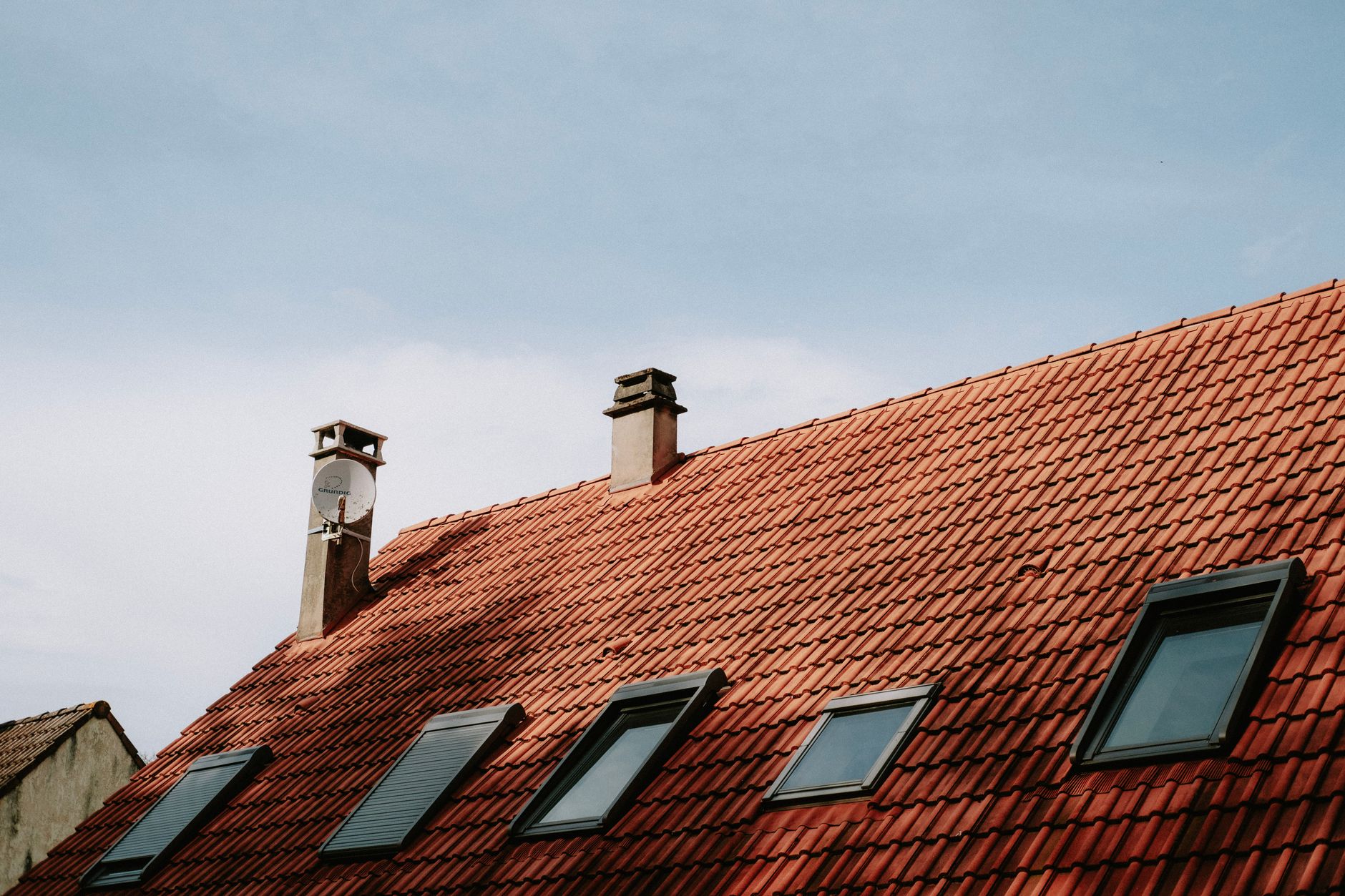
Chimney Caps for Yorba Linda Roofs That Catch the Wind
Ask About This Job
A line on what the fireplace or chimney is doing is enough. We ring back to arrange a visit.
What This Visit Covers
A missing cap sits behind plenty of smoke and smell complaints. Wind can push straight down an open flue, rain wets the soot and gives off that stale ashtray odor, and birds build nests that choke the draw. We measure the tile or crown, fit a cap with spark mesh, and choose a wind-directional style where gusts off the hills keep forcing smoke back. The cap price follows a measurement of the flue, and it rises when the crown is wide or the cap is copper.
Wind, Downdraft and the Outlet of the Flue
Wind crossing an open flue can push down into it, especially when a ridge, a second story or a big tree stands upwind. Indoors you see it as puffs of smoke from the opening with each gust, and sometimes a smell when the fireplace is cold. Santa Ana winds coming through the canyons east of Yorba Linda make this worst in the fall, just when people start lighting fires again. A cap with a solid top and open sides lets smoke out while breaking up wind before it reaches the flue. For harder cases there are caps shaped to turn wind into extra pull, and caps that swivel to keep their open side downwind. Which type goes on your chimney depends on what we see from the roof: where the gusts come from, what stands nearby and how tall the stack is compared with the roof around it.
A cap has other jobs that also bear on draft. Without one, rain falls straight into the flue, soaks the deposits on its walls and rusts the damper, and a wet flue draws poorly and smells sour. Birds and raccoons treat an open chimney as a ready-made nest site, and a nest can block the draft entirely. The mesh around the sides stops embers from landing on your roof, which matters in the hills where brush fire is a real risk. The mesh needs the right opening size, though. Too fine, and it clogs with soot and chokes the fire below it, and a clogged screen is one of the more common causes of sudden smoking we find in Yorba Linda. If your fireplace began smoking for no clear reason, the cap is one of the first things we check, and clearing or replacing it is often all the job needs.
Choosing and Pricing the Cap
Caps come in a few broad kinds. The simplest fits onto a single round or square clay flue tile and is held in place on the tile itself. Masonry chimneys that carry more than one flue, or whose tiles barely stick up past the top, often need a wider cap that sits on the masonry and covers the whole top at once. Prefabricated chimneys are another case entirely: their caps are part of the maker's tested system, so we fit the matching part rather than a generic one. Material matters as well. Galvanized steel is cheaper and rusts within a few years near any moisture. Stainless steel lasts much longer, and copper is chosen mainly for its looks. We suggest what suits the chimney and the wind, then let you pick from there, with the difference in price written down for each choice.
Every cap is measured before it is priced. The plainest case is a standard stainless cap on one clay tile. The biggest job is custom covers built to fit a wide top with several flues, or copper work, or a roof that takes more setup to reach safely. Before anything is fixed down, we look at the masonry the cap will sit on, because a cap fastened to a crumbling top will not stay put, and fixing the top first saves paying for the cap twice. If the top needs work, that is written up with its own price beside the cap. We also look at the flue itself as far as a light reaches from the top, so a cap does not end up sealing in a blockage that should have come out first.
The Upton Chimney Solutions Routine
Draft Watched
Smoke pencil or test fire at the opening
Fumes Measured
CO meter running on gas units
Prices on Paper
Each fix priced before anyone starts
Cause Shown
You see the fault we found, in person or in photos
Where we offer chimney cap installation
Pick your city for notes on its housing, its weather and the draft faults we meet there most.
CA
Chimney Cap Installation in Yorba Linda
"It smells like a campfire in the den on warm days." In our home town that usually means a factory-built flue pulling in reverse, or a custom masonry hearth whose flue is too small for its opening. A draft reading at the damper sorts out which.
Open the city pageCA
Chimney Cap Installation in Placentia
"Smoke rolls out over the top of the opening when I first light it." With the brick and block fireboxes of Placentia's ranch years, a cold flue column or a damper that only swings halfway is the usual suspect, and our draft check tests both.
Open the city pageCA
Chimney Cap Installation in Fullerton
A 1920s bungalow that smokes the living room and an Amerige Heights gas unit that smells wrong are two separate puzzles. Old brick flues are often unlined or oversized for the opening; the newer boxes rely on sealed vent joints. We diagnose each on its own terms.
Open the city pageCA
Chimney Cap Installation in Corona
Just 25% of Corona homes predate 1980, so a lot of fireplaces are factory-built boxes on metal pipe. When one puffs smoke back or gives off a burnt-metal odor, a bad cap, a crushed section or a flue too short to pull is where we start looking.
Open the city pageOther Jobs We Handle
Chimney Sweep
Creosote narrows a flue until smoke backs into the room; brushing clears that path and a test fire proves it.
DetailsChimney Inspection
Reasons a chimney smokes, smells or stalls, looked for from the opening up to the cap and set out in writing.
DetailsChimney Repair
Broken tile, open joints, a split crown or a loose top: the faults that spoil draft or let rain in, put right.
DetailsFireplace Inspection
Soot on the face, a fire that will not settle, a draft from the hearth: the room side of the fireplace checked for causes.
DetailsFireplace Repair
Fixes for fireplaces that smoke at the face, smell between fires or refuse to hold a flame, starting with the reason.
DetailsChimney Level 2 Inspection
Recorded video of the whole flue plus the attic and underfloor stretches, for sales, quakes, fires and new appliances.
DetailsChimney Flashing Repair
New roof-line metal for chimneys that drip into the attic or stain the ceiling beside the fireplace after rain.
DetailsChimney Masonry Repair
Repointing, brick replacement and crack repair that keep water out of the stack and the flue walls standing true.
DetailsChimney Rebuilds
A new stack from the point where the brick holds firm, with a flue sized to the fireplace it serves.
DetailsFireplace Cleaning
Room-side cleaning of the firebox, doors and face, with a record of the soot marks that show where smoke escapes.
DetailsGas Fireplace Cleaning
Yearly cleaning for gas fireplaces and inserts so the flame burns blue, the glass stays clear and fumes go outside.
DetailsGas Fireplace Repair
Fixes for gas units that refuse to light, drop out after a minute, smell of fumes or blacken the glass.
DetailsFireplace Remodel
New faces, hearths and mantels that keep safe distances from the opening and leave the draw working as it should.
DetailsFireplace Inserts
A steel firebox behind glass with its own liner, a common answer for open fireplaces that smoke or chill the room.
DetailsPellet Stove Repair
Diagnosis for pellet stoves that smoke, smell, shut off or stop feeding, with each part tested before anything is bought.
DetailsWood Stove Repair
Repairs for wood stoves that leak smoke at the door, burn too fast or stop drawing once the fire settles.
DetailsGas Logs
Ceramic logs on a gas burner for a fireplace you no longer want to feed, set up so the fumes go where they should.
DetailsChimney Seismic Retrofit
Work that ties a tall brick stack to the house or lightens its top, so a big quake is less likely to drop it.
DetailsChimney Crown Repair
Crack sealing or a newly poured top for chimneys whose cement cap lets rain soak down into the brick and flue.
DetailsDryer Vent Cleaning
Lint cleared from the full duct run, wall hood to machine, for dryers that run hot or need two cycles to finish.
DetailsChimney Liner Installation
New stainless flue run inside the old chimney, for cracked tile or a flue too big or too small to draw.
DetailsChimney Leak Repair
Leak tracing for chimneys that drip, stain the ceiling or smell musty after rain, with the fix aimed at the source.
DetailsChimney Waterproofing
A siloxane repellent on repaired brick so the stack sheds rain and stops feeding damp smells into the house.
DetailsChimney Damper Repair
Dampers that stick, rattle, leak cold air or open only partway, freed and adjusted or replaced at the flue top.
DetailsChimney Chase Cover
A stainless top made to measure for framed chimneys whose old sheet top has rusted, sagged or started to leak.
Details