A smoke problem is a diagnosis job
When a fireplace spills smoke, the person you hire has to work out why before anything gets sold. That sounds obvious, yet a lot of smoke calls end with a new cap or a sweep and the same haze the next weekend. The cause might sit in the flue, the damper, the size of the opening, the house around it or the wind across the roof. A good company finds out which one it is, writes it down and prices the fix for that cause.
This is how Upton Chimney Solutions approaches a smoky fireplace in Yorba Linda, and what to listen for when you speak to anyone else.
What a company should ask you first
You should hear questions before you hear a price. The useful ones are about behaviour:
- Does it smoke from the first match, or only once the fire is going?
- Has it always done this, or did it start after a change: a new roof, new windows, a remodel, a strong shake?
- Is it worse on windy nights, or when the kitchen fan is running?
- What do you burn, and how dry is the wood?
- Is the smell there even when the fireplace is cold?
Those answers point the visit in the right direction. A company that jumps straight to "we will put a new cap on it" without asking any of them is guessing.
What a proper visit includes
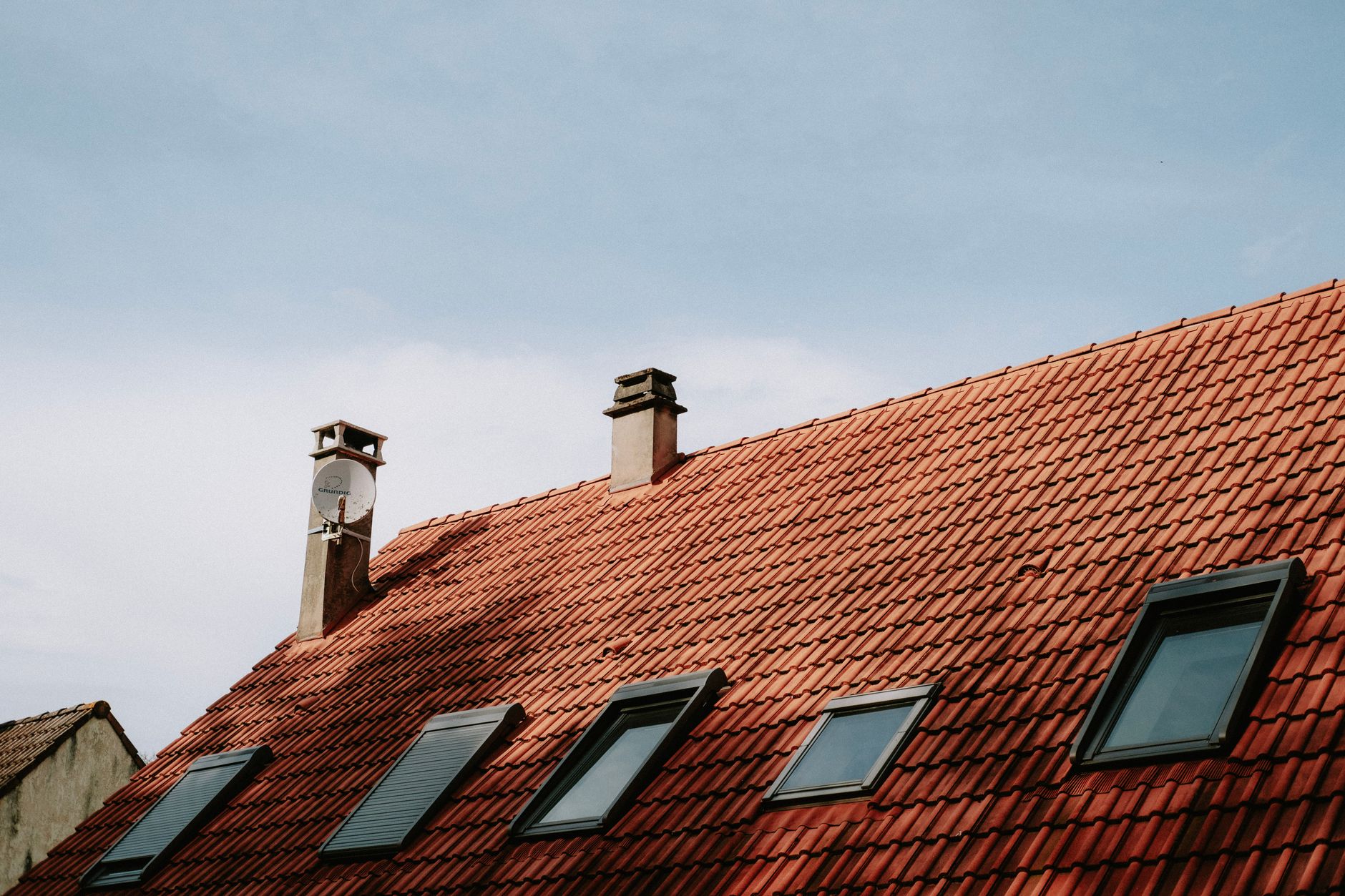
For a smoke complaint, our visit covers the firebox, the damper through its whole swing, the smoke shelf and the flue as far as we can see from below. Then the roof: the cap, the screen, the height of the chimney against the ridge and anything nearby that could throw wind down it. We ask what else in the house pulls air, and we may burn a twist of newspaper in the firebox to see which way the smoke heads.
If that does not explain the problem, the next tool is a Level 2 inspection at $375, with video of the inside of the flue and a look at the chimney in the attic. A plain sweep, from $400, comes first when the flue is visibly dirty. A Level 1 look, at $160, suits owners who want an opinion before committing to either.
What you should get in writing
Whoever you hire, the paperwork should answer four things:
1. The cause, in plain words. "The flue is smaller than the opening needs" or "the damper only opens halfway because the frame has warped." 2. The evidence. Photos, or video stills for a camera job, of what was found and where. 3. The fix and its price. One line per item, so you can see what each costs. 4. What happens if the fix does not cure it. Smoke problems sometimes have two causes. You should know the next step before the first one starts.
Our reports follow that pattern. Where we publish a price, it goes on the line: a sealed gas insert to close off a fireplace that never drew is $2,650 to $5,350. A cap is quoted after we measure the flue. Damper repair, relining, smoke guards and changes to the opening get a written figure built from what we measured.
Signs a quote is guessing
A few patterns tell you the company has not found the cause:
- A price for a cap or a relining before anyone has looked inside the flue.
- A "full rebuild" on a chimney whose only complaint is smoke on windy nights.
- No mention of the damper, the house's air supply or the wind.
- A single total with no breakdown and no photos.
- Pressure to decide on the doorstep.
None of these mean the company is dishonest. They do mean you are paying for a guess.
How to compare two quotes
Line the reports up and check whether both name the same cause. If they disagree, ask each one why. A company that can explain the physics in plain words (the smoke is cooling too fast in a flue that is too big, the opening is wider than the flue can serve, the house is pulling air down the chimney) usually found the real problem. Then compare the fixes for that cause, not the totals.
What decides the next step
Most smoke calls in Yorba Linda, Placentia and Fullerton sort themselves into one of three next steps after the first visit: a sweep, a camera look, or a named repair. Which one depends on what you tell us and what we see at the opening. Request a smoke diagnosis visit and tell us when the smoke appears and whether anything about the house changed before it started.
What we will not do
We will not quote a repair without seeing the fireplace. We do not sell maintenance plans or add-ons you did not ask for, and we will tell you if the honest answer is "open a window when the range hood runs." If the fix is outside our trade, such as a roofer raising a ridge vent or an electrician moving a fan, the report says so.
Carbon monoxide is part of the job
A fireplace that spills smoke is also spilling carbon monoxide. Any company you hire for a smoke problem should mention it. We note whether the fireplace room and nearby bedrooms have working CO alarms, and on gas units we check the air near the appliance while it runs.
Read more on fireplace repair, the chimney damper repair page and what the usual smoke fixes cost.
Talking to us
The contact page is the way in. A few lines about how your fireplace behaves will tell us which visit to set up.
Want the Cause Found at Your Own Hearth?
Upton Chimney Solutions works from Yorba Linda on fireplaces that smoke, smell or will not stay lit. Describe yours on the contact page and we come out, watch it burn and put the cause and price in writing.